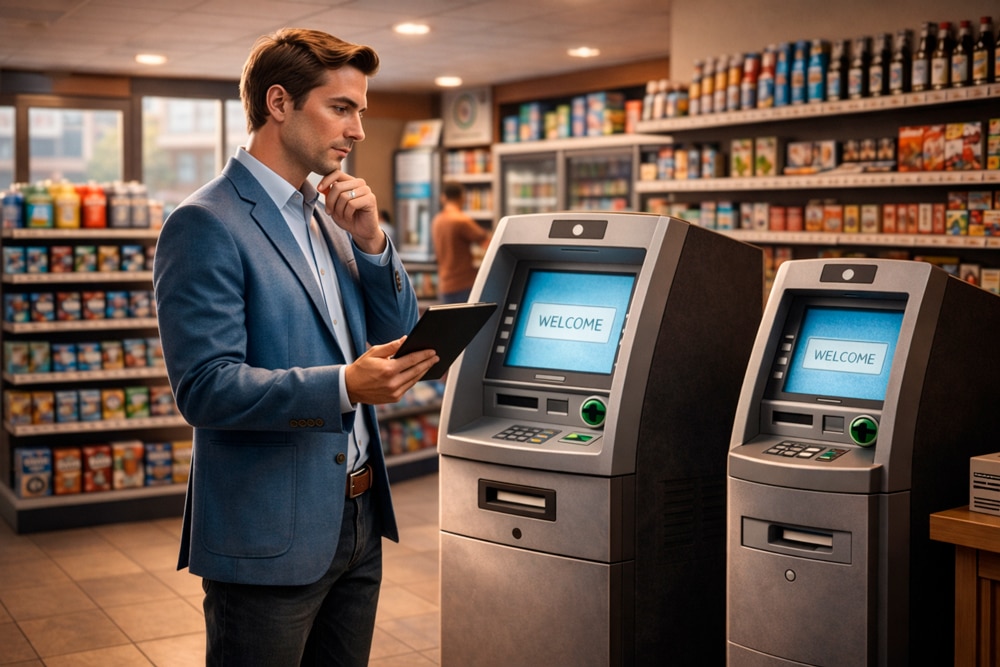
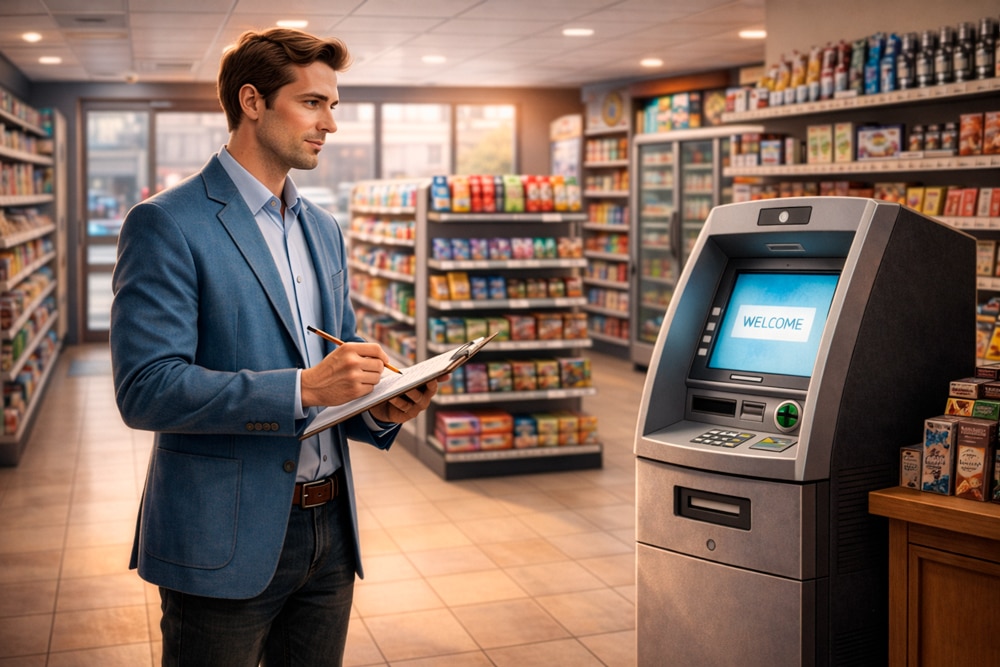
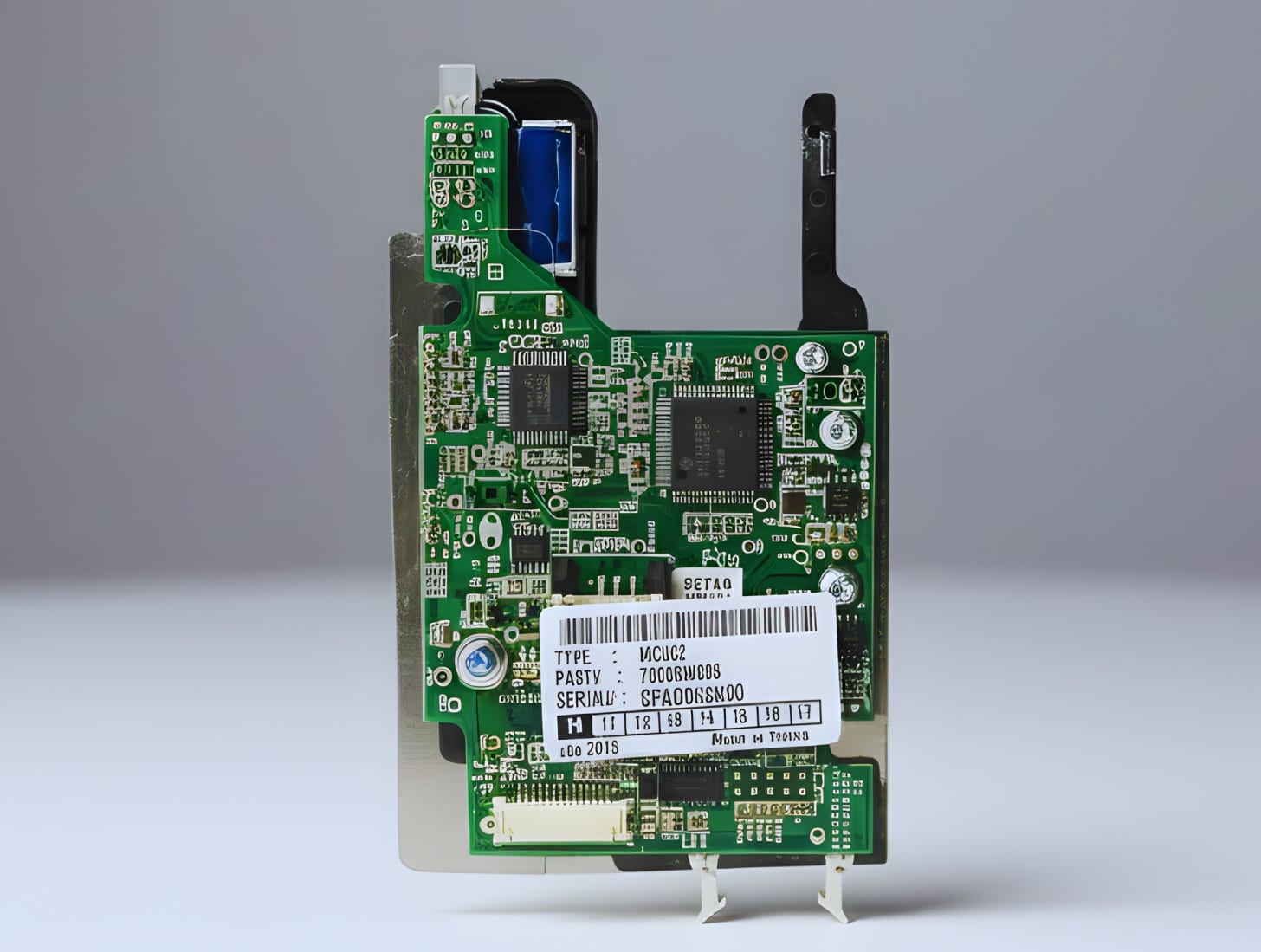
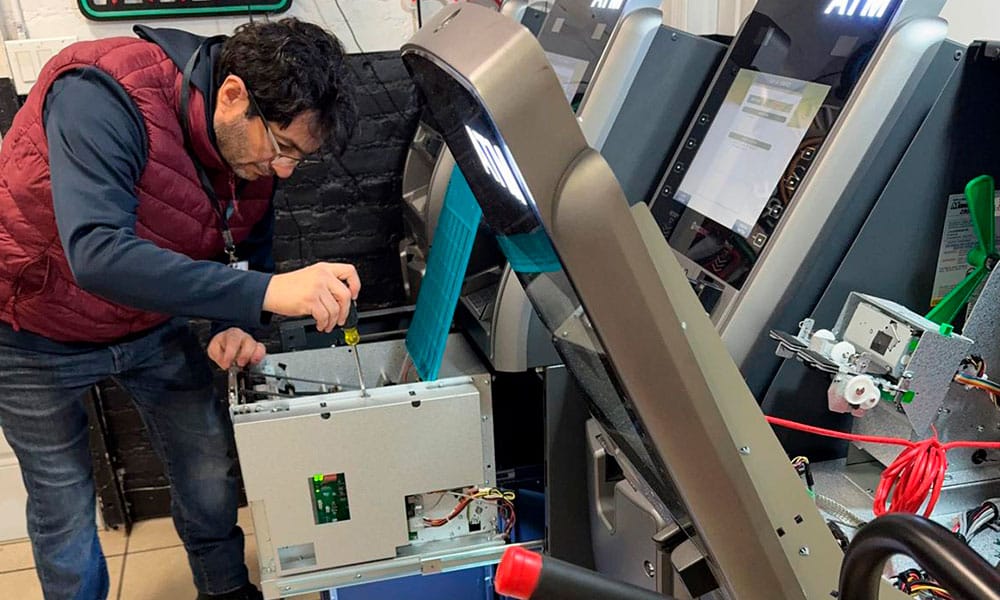
Adding an ATM to your business can be a smart move that will save people time and give you a steady flow of extra cash. A good ATM not only makes customers happier by giving them quick access to cash, but it also brings more people into the store, which leads to more sales. This guide will show you how to choose the best ATM for your business by looking at things like location, features, cost, and provider support. This way, you can be sure that your choice will help both your bottom line and your customers.
Why Your Business Needs an ATM?
Installing an ATM can do more than just make things easier for your customers. It can also help you make more money by increasing sales, bringing in new customers, and making sure you always have income flow. Today, a lot of companies choose to have an ATM because:
Attract More Foot Traffic
An ATM attracts people who are especially looking to get cash. People often pick a store with an ATM over one without one when they need cash quickly and the ATM is near by. More visits means more chances to buy things in the store.
Boost In Store Sales
People who withdraw cash usually spend some or all of it instantly, especially on small things, drinks, and snacks that they do not plan to buy. According to research, many ATM users buy something at the same place. A lot of small businesses see their general sales go up because of this.
Create a Passive Revenue Stream
Most ATMs charge an extra fee, usually between $2 and $3 per transfer. This fee goes to the owner or host of the ATM. This can add up to a steady passive income over time with minimal maintenance. In places with a lot of foot traffic, fee income can be a good way to make extra money.
Improve Customer Convenience
When you offer a cash access point, your business becomes a one-stop shop for your customers. Customers like that they do not have to leave the store to find an ATM, which can make them happier and more likely to come back. The convenience is a plus in the market particularly in areas where there is the lack of banks nearby.
Lower Credit Card Costs
It is possible to lower the number of credit card transactions by encouraging people to pay with cash. Fewer card payments mean reduced processing fees, boosting sale income. This can save a lot of money for stores that do a lot of small purchases.
Enhance Customer Loyalty and Reputation
Having an ATM shows that you care about your customers and want to make their lives easier. People remember businesses that make their daily lives easy. Customers who are happy with your store are more likely to come back and tell their friends about it.
Assess Your Business Before Buying
It is important to think about your business needs and environment before buying an ATM so that you can make a choice that fits your area and your goals. The most important things to think about are:
Foot Traffic and Demand
Estimate how many people come to your business every day. More people using the ATM usually means more traffic. Your ATM should be passed by a great number of people each day so that you can earn enough money to pay your expenses and get some profit.
Business Type & Customer Behavior
It is understandable that individuals access cash and ATMs more in such places as convenience stores, bars, restaurants and entertainment spots. ATMs usually work better in places where a lot of people come to spend money or where cash is the main form of payment.
Location, Space & Visibility
To make the ATM visible to customers, place it near entrances, checkouts, or pedestrian paths. Freestanding, countertop, and wall-mounted variants fit differently depending on space.
Security & Environment
Check for safety features like lighting, surveillance cameras, and how close you are to staff. People use ATMs more when they are in safe, well-lit places. Outdoor installations may require weatherproof machines and local accessibility rules.
Types of ATM Machines
When picking an ATM for your business, you must consider machine type, space, traffic, and operating needs. There are numerous main ATM formats for businesses, each with pros and cons.
Free-Standing ATMs (Retail Floor Models)
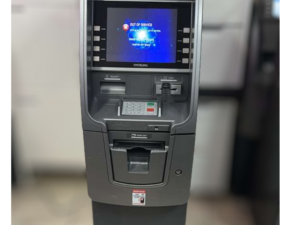
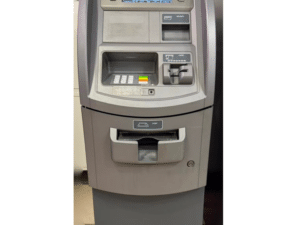
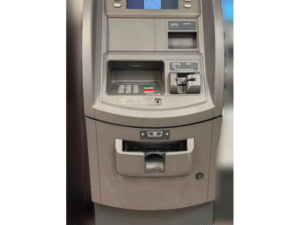
Free-standing ATMs are most popular in retail, petrol stations, bars, and convenience stores. These floor-mounted ATMs are conveniently accessible to clients. The main benefit of this sort of ATM is its flexibility in installation, as long as there is enough room and power.
Their low cash capacity makes them suited for medium-to-high foot traffic companies. When customers need cash, they visit companies with ATMs, which increases walk-in traffic. They work well in large interior spaces with frequent customers.
Through-the-Wall (TTW) ATMs
Through-the-wall ATMs allow consumers to access the machine from outside the building. Customers can withdraw cash 24/7 at TTW ATMs, which is a major benefit. This makes them perfect for businesses with strong outside foot traffic or consumers who require cash after hours.
TTW ATMs are safer since cash loading is within the business, reducing theft risk. They work well in locations with high cash demand day or night and where the business wants to offer convenience after hours.
Wall-Mounted & Countertop ATMs
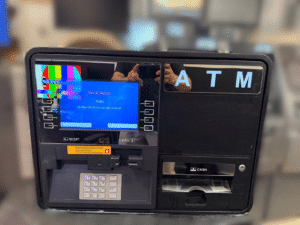
Small wall-mounted and countertop ATMs are appropriate for areas with limited floor space. While providing full ATM functionality, these ATMs are compact. This machine can help tiny cafes, offices, and retail establishments with limited space.
These small ATMs are best for areas where a free-standing unit is impractical but customers need cash. Their compact size saves space and provides consumer convenience.
Optional/Other Formats
Additional ATM layouts are available for commercial needs. Countertop-only ATMs are like wall-mounted ATMs but sit on a counter. These are ideal for confined locations and businesses with restricted installation alternatives.
Outdoor ATMs come in the form of kiosks, larger and standalone devices which have advertising space in the view of the drive up location or other outdoor entertainment locations. These outdoor ATMs can attract customers in malls, theaters, and big commercial centers by providing cash access and promotion.
Quick Comparison
Type
Space Needed
24/7 Access
Best Use
Free‑Standing
Medium
No
Retail, convenience
Through‑the‑Wall
Low
Yes
High outdoor traffic
Wall‑Mounted/Countertop
Very low
No
Small spaces, indoor
Important ATM Features to Compare
The type and features of your business ATM are equally important. Knowing the features that matter most will help you give customers a secure, convenient experience while protecting your investment and enhancing usability. Modern ATMs have developed well beyond basic cash dispensers.
Core Transaction Features
Since clients most often use cash withdrawals and balance inquiries, every ATM should reliably provide these services. Customers can use modern machines to deposit cash and cheques and manage the account balance. This boosts client value and transaction volume, making your ATM more appealing.
Security Features
Comparisons of ATM features prioritize security. Among modern machines are:
EMV chip compliance: keeps card transactions safe from theft.
Anti-skimming technology safeguards card data from unauthorized access.
By solving these, you make card cloning and data theft more complicated and decrease your responsibility and gain the trust of customers.
Connectivity and Uptime
For 24/7 ATM availability, choose machines with several connectivity options:
Ethernet or cellular backups for network redundancy.
Proactive maintenance and remote monitoring for immediate fixes.
These features reduce ATM downtime and ensure continuous service.
Contactless & Tap-to-Use Features
Customers expect quickness and convenience in today’s fast-paced society. Modern ATMs allow users to use smartphones or contactless cards to initiate transactions instead of inserting a card. This improves user experience and speeds up the process.
User Experience Enhancements
Make sure your ATM offers user-friendly features like:
High-resolution, large color displays
Effortless menu navigation
Accessibility interfaces that comply with ADA standards
These features make it easier for everyone to use the ATM, which makes customers happier and more likely to use your ATM again.
Cost Breakdown & Budgeting
Making a wise investment requires knowing the whole cost of installing an ATM to your organization. The machine itself is the biggest upfront cost, depending on model, features, and new/used status. New freestanding retail ATMs normally cost $2,500 to $3,000, while refurbished ones cost $1,600 to $1,900. The cost of larger through-the-wall systems for outdoor or 24/7 access can exceed $4,000.
The hardware may also require installation and configuration. Professional installation, including securing the system and configuring connectivity, costs hundreds of dollars, but self-installation can save money.
After installing the ATM, budget for regular expenses. These will be the ATM processing fees, regular upkeep and repairs, the connectivity fee such as the internet or cell service and the amount of cash you will keep in the machine, that will serve as your working capital until transactions are settled.
Based on transaction volume and usual rates ($2–$4 per use), estimate how long surcharge revenue will take to pay these upfront and ongoing costs when assessing ROI. Based on location and usage, a well-placed ATM can repay its initial expenditure in months to a year.
Top ATM Brands & Model Recommendations
Choosing a good brand and a model of ATM that you are planning to use in your business is as important as understanding the type of machine you require. Recent comparisons of the ATM industry have shown that some vendors stand out for how long their machines last, how well they support service, and how many advanced features they have. This makes them great choices for business owners.
Top ATM Brands
NCR Atleos: NCR is one of the most popular ATM brands in the world, and its hardware is known for being reliable and having a lot of support choices. Their machines work with current banking networks and are very reliable.
Diebold Nixdorf: A well-known brand that offers scalable solutions with innovative features like biometric security and the ability to handle a lot of cash at once.
Hyosung: It specializes in retail-focused ATMs with easy-to-use designs and flexible deployment, making them perfect for small to medium-sized businesses like convenience shops.
Other Trusted Manufacturers
Genmega: Helps stores by providing models with adaptable features.
Triton: Known for having ATMs that are safe, cheap, and easy to use.
Hantle/Tranax: Focuses on small companies and low-cost solutions.
Popular Models to Consider
Genmega G2500
Hyosung Halo II
Triton RL Series
These models do a good job of balancing value, reliability, and user experience. Choose based on what your business needs, from small units for places with limited room to models that can handle a lot of foot traffic for bigger places.
Choosing the Right Vendor & Support
Vendor Reliability & Reputation: Partner with a vendor that is known for reliability and good service record. Check their reputation by looking at their customer reviews and name in the market to ensure that you are partnering with a reliable vendor.
Service Contracts: Verify whether the seller provides full maintenance contracts, which include services such as repairs, software updating, and replacement of any defective part.
Installation Services: Check if the installation cost is included in the deal or you have to pay an additional fee. It is recommended that the product be installed by a specialist for effective use.
Managed Services: Look for companies that offer real-time troubleshooting, remote monitoring, and cash management services, among others, to ensure your ATM functions properly with minimal downtimes.
Warranties & Support: Evaluate warranty terms, response times, and employee training in the effective management of machine usage.
Legal & Compliance Checklist
Follow ADA’s guidelines for assuring that disabled visitors can use this machine.
Check out EMV chip card technology to see that transactions are secure.
Find out what the local zoning laws and permissions are, especially for the ones that will be outdoors.
You should also make sure that you have the right insurance to protect you in case of any risk that may occur in running an ATM.
Common Mistakes to Avoid
Buying unnecessary tools will not pay off in terms of ROI. Focus on your business’s key qualities.
Use an ATM with anti-skimming technology and EMV compliance for safe transfers. Remember security and theft deterrents.
To determine the foot traffic and usage of an ATM, examine customer behavior and activity around it before selecting a specific ATM.
Always choose a vendor with reliable long-term support and maintenance.
Cover setup, cash replenishment, and network connection costs when running a business.
Conclusion
Before making a decision, you should carefully think about the needs of your business, the type of ATM you want, the cost, the key features, and the vendor’s support. Do something by looking at how many people are walking by, getting multiple prices, and picking the ATM that fits your business goals the best. By following these steps, you can make sure that the investment you make is smart and pays off.
Newsletter
Signup our newsletter to get update information, news, insight or promotions.