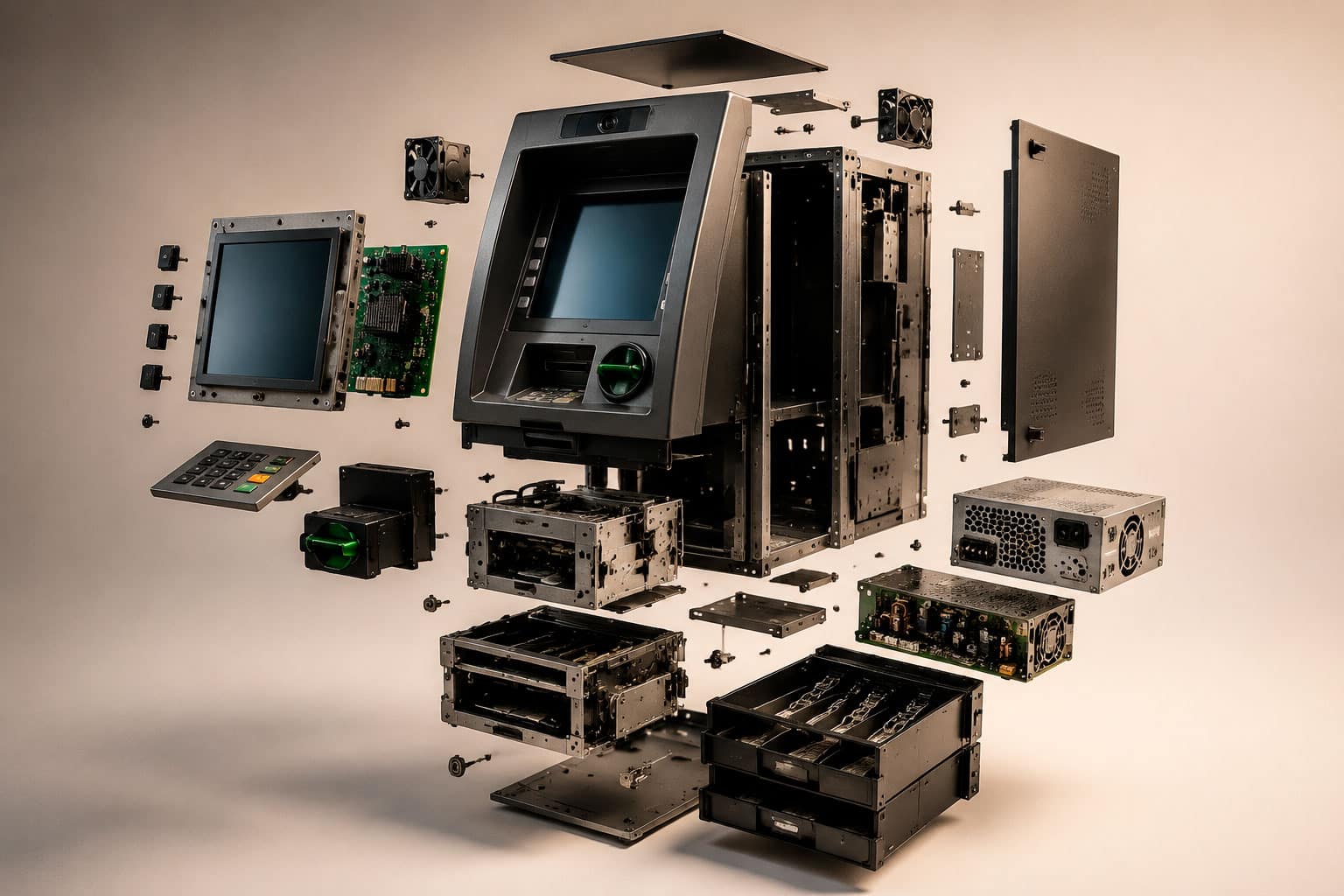



As an entrepreneur looking for a low-barrier entry-level opportunity with mostly passive income, opening an ATM business is one of the most attractive options. By installing ATMs in high-traffic areas and imposing surcharges for cash withdrawals, individuals can make recurring revenue without a large investment.
The total cost to start up each machine, which includes buying it, setting it up, and the initial cash flow, is often much less than what many small business models need. This makes it a popular choice for side jobs or full-time businesses. To plan for long-term success and profit, it is important to know how much it really costs to setup and run an ATM business, including the cost of the machine itself, the cash for the vault, and the handling fees. We will describe revenue, costs, and how to make this business viable in this guide.
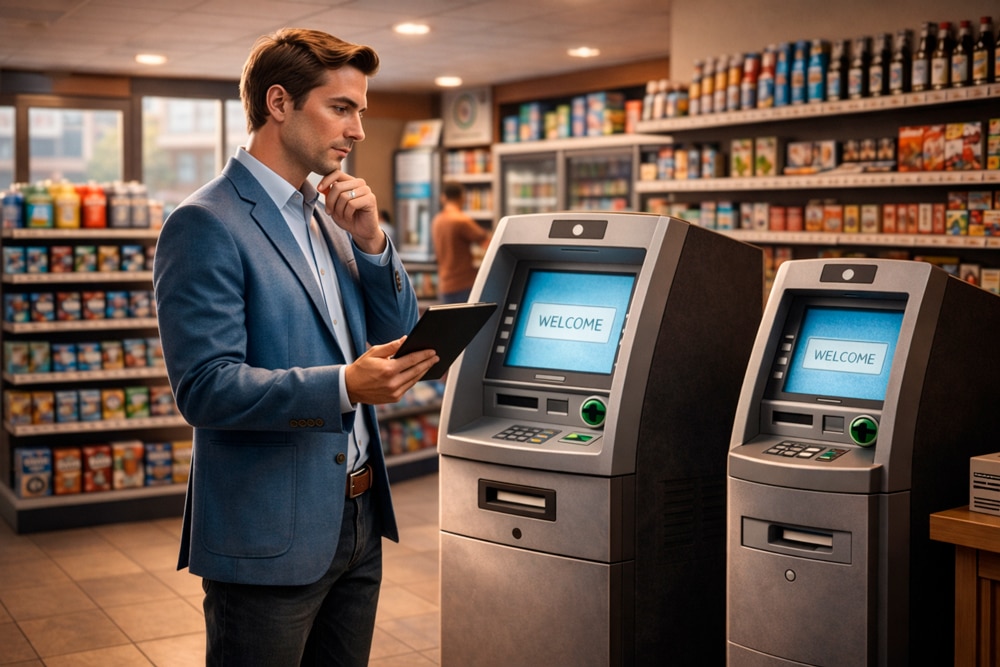
Owning and running automated teller machines (ATMs) that let people get cash at places other than banks, like convenience shops, bars, and shopping malls, is what an ATM business is all about. Rather than employment by a bank, the self-employed purchase ATMs and place them in areas that have significant traffic and where individuals require cash urgently.
The owners make most of their money from extra fees, which are the small fees that customers pay every time they use the machine. These fees are usually between $2 and $4 per transaction. Some companies also get a cut of the interchange fees that the cardholder’s bank pays.
After installing and stocking machines with cash, owners receive money with little daily involvement. Selecting places with a lot of foot movement and cash is key to success, as is running the machines well.
To start an ATM business, you must buy hardware, load cash, and connect it.
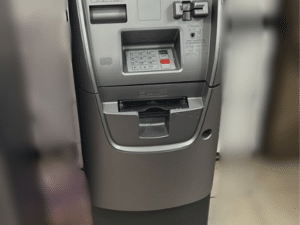
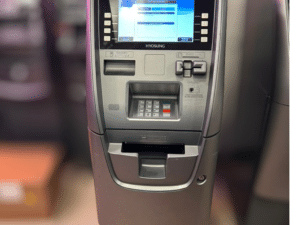
The ATM itself is the most expensive part of starting an ATM business. Most new retail-grade ATMs for convenience shops, pubs, and other public venues cost between $2,000 and $3,000. These units work well, can hold a lot of cash, and are compliant with EMV (chip cards), which is important for keeping customers happy and keeping the business running.
More high-tech machines, like through-the-wall (TTW) ATMs or Intelligent Teller Machines (ITMs) that can take deposits, can cost $5,000 or more, based on features and brand. When you buy used or refurbished machines, you can save money up front, but you need to make sure they are fully functional before investing.
Vault cash is the cash that you load into the machine so that people can take money out. There is no fee for this, it is just working capital that goes back to your account as transactions settle. How much you need varies on how many transactions you expect and how busy the location is, but most operators start with $1,000 to $5,000 or more in vault cash per machine. When it comes to refills, sites with more visitors may need more money.
After buying a machine, you will need to set it up and connect it:
You will probably need to set up a business entity like an LLC and get the necessary state or local permits in order to properly and professionally run your business. Registration fees run from $50 to $500, but they change from state to state. You might also want to include $300 to $700 a year in your budget for protection to protect the machine and your liability.
There are costs that every ATM owner should plan for once their machine is up and running. To stay profitable, you must budget for these expenses, which vary by location, processing agreement, and whether you manage everything yourself or seek outside help.
You will need to work with an ATM server to connect your ATM to banking networks and let people use it to make loans in real time. Most processors charge a monthly fee, usually between $20 and $50 per machine, that covers handling transactions, getting into the network, and authorizing users. You can also expect to pay $30 to $100 a month for access if you use a dedicated wireless modem for reliability.
A lot of host businesses will ask for a share of the surcharge money if you put your ATM on their land as part of the deal. The split is part of your net income and is based on your agreement. It could be a set amount per transaction (like $0.50 to $1.00) or a percentage of the surcharges.
ATMs need regular maintenance to keep working and appealing to people who want to use them. The owners of a property should create a pool of money to use in routine repairs and maintenance. Although costs depend on the age and usage of the machine, putting aside a monthly reserve of $20 to $100 or more for parts, technician calls, and normal wear and tear can help you avoid unexpected costs.
It is important to keep your machine and business safe. Liability insurance and hardware insurance can cover damage to property, theft, and mischief. The rates vary according to the insurer and the coverage amount, although the majority of ATM owners spend between $200 and $600 annually on the coverage amount.
Some entrepreneurs invest money on marketing to get more people to use their services. This can include things like signs, custom machine wraps, or ads near the ATM. Depending on your plan and location, these ads can cost anywhere from $50 to $500.
One of the main reasons people start ATM businesses is that they can make money over and over again with low costs. Machines will not make you become rich overnight, however, when you install them where they are needed and maintain them well, you will realize revenue every month.
The extra fee, which users pay every time they take out cash, is the main way that ATM owners make money. In the US, the average extra fee for a transaction is between $2.50 and $4.00, but this depends on the area and region.
For example, a machine that charges an extra $3 for every transaction and averages 300 transactions per month can make around $900 in gross income each month.
In addition to the surcharges, other ATM operators also receive small withdrawal fees on behalf of the cardholder banking institution. These may be a minor addition to the surcharges as an additional source of income.
Location has a big effect on revenue:
When you grow up, you make a lot more money. ATM owners with several machines in good locations get a regular revenue that outperforms passive investments.
For long-term success in the ATM business, you need to choose the right hardware that fits your location, price, and service goals.
If you want to make money with an ATM business, the right spot is often more important than the type of machine or the processing fees.
If you want to properly run an ATM business in the US, you need to register your business with the right people. Usually, this means picking a legal structure like an LLC or corporation and getting an Employer Identification Number (EIN) from the IRS so you can file your taxes. Depending on the rules in your city or county, you may also need a local business license or permit. These licenses help you make sure you follow tax laws and other official business rules.
Your ATM processor or funding bank will need certain paperwork before your ATM can go live. Common forms are an ATM operator agreement, W 9 form to tax reporting, and ACH authorization of electronic deposits and possibly a voided company check transfer of surcharge revenue. For legal reasons, some processors may also want to see proof of name and a background check before letting someone run an ATM.
ATMs must follow the Americans with Disabilities Act (ADA), which makes sure that disabled people can use the machines. Since March 2012, ATMs have had to meet ADA design standards that say the buttons have to be easy to reach and the machine has to be easy to use.
According to federal anti-money laundering (AML) rules, independent ATM operators are not usually considered Money Services Businesses (MSBs). However, banks that hold operator accounts are required by the Bank Secrecy Act (BSA) to keep an eye out for any strange behavior. Keeping accurate records and reporting activities helps meet larger anti-money laundering requirements and lowers the risks of not following the rules.
When you first start your ATM business, you will probably need money to buy machines, pay for vaults, pay for installation, and pay for the first few months of running the business. To pay for these initial costs, a lot of new business owners use their own funds or small business loans from banks or credit unions.
People often choose a Small Business Administration (SBA) loan, like a 7(a) loan, because it has open repayment terms and government backing, which makes it easier for even smaller businesses to get money. You can use these loans to buy equipment, get cash for operating capital, or grow your business.
You can spread the cost of your ATM hardware over a number of months or years instead of buying them all at once with equipment financing. Such a transaction typically takes the ATM as security and this may assist you to take out the loan quickly and keep the cash flowing.
Leasing is another choice that can work, especially for businesses that do not have a lot of money to invest at once. Leasing usually costs less up front than buying something outright, and it comes with fixed monthly payments. However, the total costs over time may be higher than buying something outright.
Some people who own ATMs use a business line of credit or business credit card to pay for new machines or get cash quickly. Community lenders may also offer microloans or startup loans for smaller amounts of money without requiring a lot of security.
Starting an ATM business is a relatively low-cost way to make a lot of money through exchange fees and surcharge fees. But it is important to know all of the costs that come with starting up and running a business. These include buying the machine, getting cash for the vault, installing it, and following all the rules.
To be successful, you need to do a lot of market study to find places with a lot of foot traffic that will lead to a lot of sales. Making a good business plan will also help you grow your business smoothly. The next step is to get our starting checklist or cost calculator to help you plan and launch your ATM business more quickly.




Our shipping plugin is currently not working. Please proceed with your order as normal.
We’ll contact you with the shipping cost after calculating it.