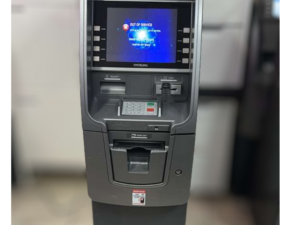
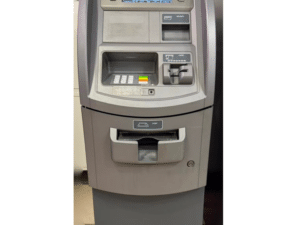
ATMs enable 24/7 cash withdrawals, balance inquiries, and other financial services in modern banking. Every ATM needs a cash dispenser to securely retain and deliver banknotes. Without a working dispenser, the machine cannot give people their money.
Though reliable, ATMs are complex electromechanical systems that can fail. Dispenser clogs, misfeeds, worn sensors, and mechanical issues can slow currency dispensing. Customers are frustrated, operators lose revenue, and banking credibility is damaged by these issues.
This article discusses the most frequent ATM dispenser faults, how to diagnose and fix them, and when to repair versus replace them to help operators maintain uptime and provide seamless client experiences.
Understanding ATM Dispenser Systems
ATM dispensers dispense cash when someone withdraws money. In the ATM’s safe, it works with the card reader, keypad, and main processor to complete a transaction. The dispenser combines precise mechanical parts and sensors to deliver the proper quantity of cash, one bill at a time.
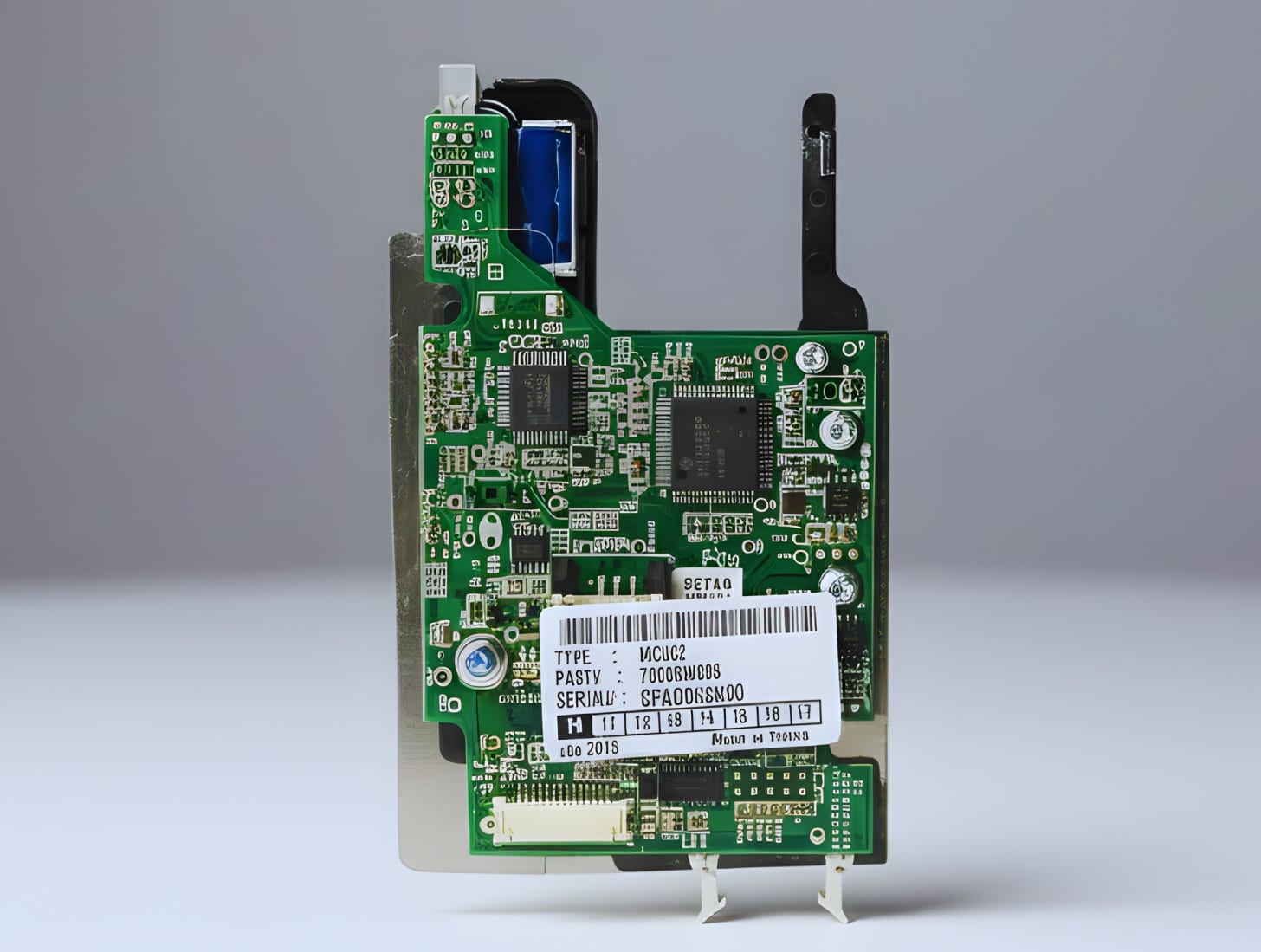
Key Components of an ATM Dispenser
- Cash Cassettes: Secure containers for bill stacks. Many modern ATMs have many cassettes for different denominations.
- Rollers / Pick Up Mechanism: Rubber rollers remove a bill from the cassette upon withdrawal request.
- Sensors: Verify bill size and thickness to prevent errors. If two bills cling together, the machine puts them in a reject bin.
- Motors and Drive Components: They power rollers and convey bills to dispenser slots.
How It Works in Practice
- Cash Request: A client seeks money.
- Bill Selection: The ATM controller instructs the dispenser to pull a certain number of bills from each cassette.
- Feeding and Counting: Rollers count and feed bills while sensors validate them. Reject incorrect or damaged bills.
- Delivery: Customers get valid bills at the cash slot.
The dispenser’s precision, security, and speed reduce jams and payout problems.
Common ATM Dispenser Errors
ATM dispensers are a common source of machine failures because they handle cash daily. This machine’s faults can frustrate customers and cost operators. The most common dispenser errors, their causes, and how to spot them are below.
1. Paper Jams and Misfeeds
Bills caught in the dispenser mechanism cause a jam. A misfeed occurs when the dispenser pulls bills wrongly, usually because a bill edge catches on a roller or sensor.
Causes:
- Dull or dirty rollers and sensors causing incorrect bill detection.
- Torn, folded, crumpled, or worn bills (low cash quality).
- Bills improperly loaded onto cassette (overloaded or misaligned).
- Debris in the cash stream obstructing sensors.
What You See:
- ATM displays jam-related fault code.
- The machine stops mid-dispense or fails to disburse cash.
- Cash often gets stuck in the dispenser or front cash tray.
2. Double Dispensing of Cash
The dispenser accidentally dispenses numerous bills, giving the consumer more money than asked.
Causes:
- Double note detecting sensors are inaccurate, unable to distinguish between two bills.
- Sensors that misunderstand overlapping banknotes due to dirt or wear.
- Unevenly packed bills in cassette.
What You See:
- Customers receive more notes than requested.
- Bank logs or error codes indicate double note detection failures.
3. No Cash Dispensed
The ATM validates the transaction but does not send bills while debiting the customer’s account.
Causes:
- Failed bill push due to motor or feeder malfunctions.
- Sensors may indicate false blockages.
- Cash feed cycle difficulties or timing concerns with dispenser software.
What You See:
- Transaction ends without cash in the slot.
- Received dispenser hardware or sensor blockage error notices.
4. Partial Dispense (Insufficient Cash)
The machine dispenses part of the specified quantity.
Causes:
- One cassette has low cash levels, causing mid-dispense machine failure.
- Bills stuck about halfway through the dispenser path.
- Slow or halt bill movement due to motor or roller difficulties.
What You See:
- ATM dispenses some but not all requested bills.
- Error codes for count discrepancies or short cash.
5. Error Codes and Malfunctioning Software
The ATM’s software may misread sensor inputs or fail to connect with the dispenser.
Causes:
- Corrupted dispenser settings or outdated firmware.
- Communication issues between the ATM controller and dispenser module.
- False sensor errors caused by dust or timing difficulties.
What You See:
- Displayed error codes (e.g., misfeeds, sensor failures, hardware faults).
- The ATM may lock the dispenser pending reset or technician assistance.
Diagnosing ATM Dispenser Issues
Diagnostics for dispenser difficulties include visual inspection, error code analysis, hardware tests, and software records. Find the malfunction’s cause to fix or replace the dispenser.
1. Start with Error Codes and Display Messages
When dispensers malfunction, most modern ATMs display error numbers on the screen or in internal records. These codes alert technicians to sensor blockages, motor failures, and clogged note paths. Before opening the machine, match the code to manufacturer literature to determine the problem.
How to use error codes:
- Record the code as exactly shown.
- Check the ATM model’s error code guide to determine the affected component.
- If the code indicates cash route, sensor, or motor issues, prioritize the dispenser area.
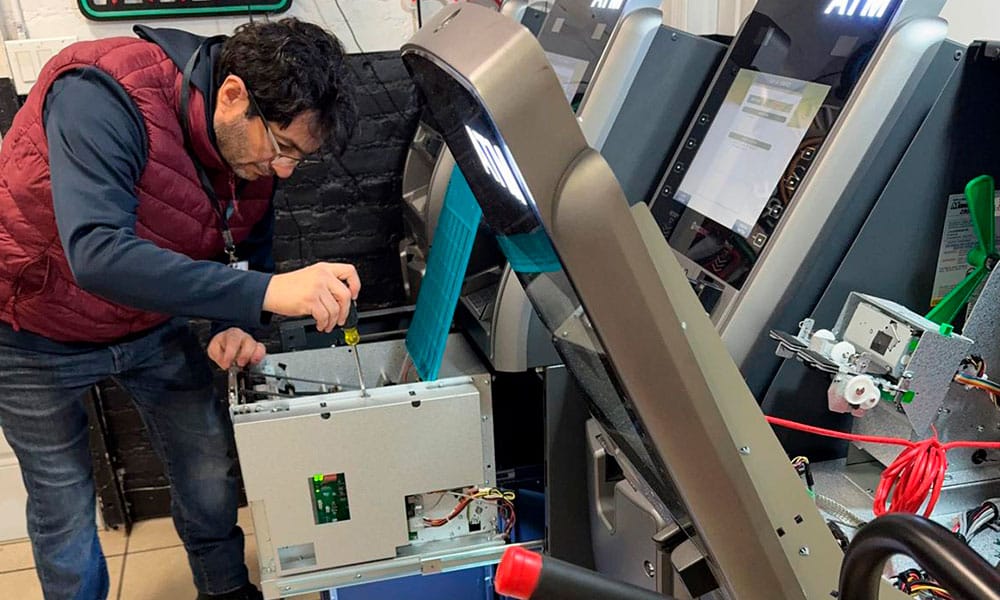
2. Perform a Physical Inspection
Technicians inspect the dispenser after error codes indicate issues:
- Removing cash clogs in dispenser paths can address numerous issues.
- Dust buildup on sensors or rollers might lead to misreads or misfeeds.
- Misaligned cassettes and belts can cause issues.
- Verify connections and wires between the dispenser and controller.
These short checks fix common issues without further effort.
3. Run Built In Diagnostics
Many ATMs provide service menu-accessible self-diagnostics. These can:
- Individualize dispenser motor and sensor testing.
- Test dispensing functions for bill pick, carriage, and delivery.
- Reset or calibrate sensors and firmware.
Diagnostics can reveal firmware mismatches or dispenser module-main controller connection difficulties if sensors pass but failures persist.
4. Review Logs and Firmware
After basic checks, personnel review ATM software event logs for reoccurring errors. Fixing outdated or faulty dispenser firmware might prevent sensor problems and misunderstanding.
ATM Dispenser Repair
Repairing an ATM dispenser is frequently the cheapest option to fix cash handling issues. Because dispensers are one of the most heavily used mechanical devices in an ATM, faults are prevalent but often fixable without replacement if not severe or reoccurring.
When Repair Is Feasible and Cost Effective
Repairs typically involve:
- Minor Bill Jams: Technicians can eliminate minor cash path obstacles.
- Dirty or Misaligned Sensors: Fixing errors caused by dust and dirt from many transactions is possible by cleaning or recalibrating sensors.
- Worn Rollers or Pick Wheels: Rubber components degrade over time. Replacing them is cheaper than replacing the dispenser.
Repair is best for these issues because routine servicing usually fixes them without new hardware.
Common Dispenser Repairs
Technicians’ most common repairs:
- Cleaning Cash Path and Sensors: Eliminates dust, cotton fibers, and debris that create jams or misreads.
- Replacing Worn Rollers/Pick Mechanisms: Replace damaged rollers/pick mechanisms to improve bill pick reliability and eliminate misfeeds.
- Realigning or Replacing Cassettes and Guides: Realigns or replaces cassettes and guides for efficient bill transfer.
- Firmware Updates: can alleviate mechanical failures caused by logic issues in dispenser control software.
Specific repairs save cost and downtime by targeting individual components.
Typical Timeframes and Costs
Repair times depend on issue complexity:
- Quick solutions (sensor cleaning, jam clearing): Typically accomplished in 30–90 minutes on site.
- Component replacements (rollers, belts): typically take 1–3 hours with standard parts.
Routine dispenser repair is much cheaper than replacement, depending on model and locality. Industry estimates suggest that second line maintenance (parts and labor) costs $1,000 to $5,000 per ATM each year, depending on use and service agreement, although dispenser repairs cost far less.
When to Call a Professional
DIY maintenance like cleaning visible sensors, checking for jams can assist, but professional servicing is advisable when:
- Error codes persist despite routine troubleshooting.
- Mechanical defects usually occur.
- Replace or calibrate internal components.
- Safe and reliable dispenser repairs require certified experts and specific tools and parts, reducing damage.
Cost Analysis: Repair vs. Replace
Cost comparison is crucial when selecting whether to repair or replace an ATM dispenser. Sometimes replacing dispenser parts is better than repairing them, which is cheaper.
Repair Costs
Parts, labor, and technician travel are typical repair costs. Each currency cassette or dispenser can cost hundreds to $1,000, depending on the model. Few hundred dollars per machine each year covers normal maintenance and small repairs; some owners budget $100–$300 per month.
Cleaning sensors, removing jams, and replacing old rollers cost a portion of the machine’s value. These steps take a few hours and keep the machine running cheaply.
Replacement Costs
Replacement of an ATM or significant components like the dispenser module might cost several thousand dollars. New retail ATMs cost $2,000–$3,000, whereas more complex versions cost $8,000 or more. Refurbished or remanufactured equipment can save 30% over new ones.
Factors Influencing the Decision
- ATM age: Older devices may lack parts or support.
- Error Frequency: Frequent failures indicate deeper difficulties.
- Cost of Repairs vs. Replacement: Replacement is more cost-effective than repairs if they reach 30-50% of the cost of a new item.
- Downtime Costs: Downtime costs can outweigh repair savings due to lost transactions and customer displeasure.
Preventative Maintenance to Avoid Dispenser Errors
Avoiding ATM cash jams, misfeeds, and sensor failures needs preventative maintenance. Routine maintenance avoids unexpected breakdowns and extends component life, enhancing reliability and customer satisfaction.
Why Regular Maintenance Matters
ATMs handle currency regularly, thus dust, debris, and damaged parts can create dispensing issues. During handling, cotton and linen fibers in U.S. bills lose small particles that can build up inside the dispenser and interfere with sensors and rollers. Checks detect these issues early.
Scheduled maintenance aids:
- Avoid costly emergency repairs, which can cost 30-50% more than planned service visits.
- Ensure client trust by minimizing machine downtime.
- Boost uptime and transaction success rates.
Common Maintenance Tasks
Clean the cash dispenser and sensors using compressed air or certified tools to remove dust and debris. Dirt causes most blockages and sensor problems.
- Regularly inspect and clean rollers and belts for efficient bill transport.
- To reduce misfeeds, use high-quality flat bills and follow manufacturer recommendations when reloading currency.
- Follow manufacturer instructions to update software and firmware for bug fixes and performance.
Extended Lifespan and Error Prevention
Preventative maintenance reduces dispenser component wear, dysfunctions, and operational issues. Sensor calibration and mechanic cleaning and alignment can prevent numerous cash handling issues.
Conclusion
ATMs are essential to cash access, so when they break, users are unhappy and revenue is lost. Understand frequent dispenser faults, diagnose issues effectively, and know when to repair or replace to reduce downtime and costs. Regular maintenance prevents malfunctions and extends equipment life.
Repairs are cheaper, however replacing dispensers may be beneficial if maintenance expenses are rising or the unit is old. The best choice depends on the situation, but regular checkups, cleaning, and upgrades always pay off.
Balancing troubleshooting and repair vs. replace costs helps operators maintain ATMs and delight customers. Smart maintenance decisions that safeguard your investment and satisfy consumers are the key to success.